When selecting a rope or cable for lifting, rigging, construction, marine systems, or industrial applications, buyers often encounter two similar terms:
Steel wire rope and paslanmaz çelik kablo
Many people assume they are interchangeable.
They are not.
Although both consist of multiple steel wires twisted together, their structure, materials, mechanical properties, and intended applications can differ significantly.
Understanding these differences can help prevent overpaying, selecting the wrong product, or reducing service life.
This guide explains the key differences between steel wire rope and stainless steel cable and helps you determine which option best suits your application.
What Is Steel Wire Rope?
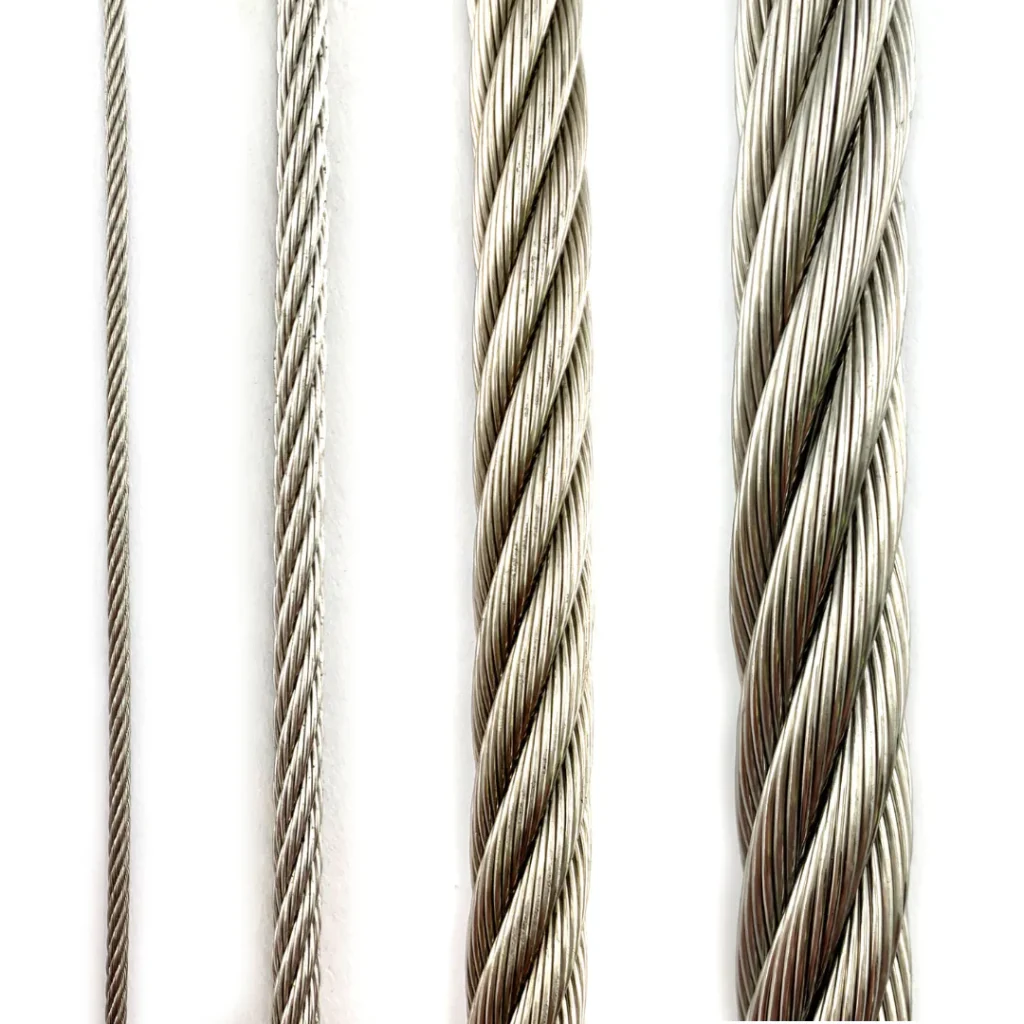
Steel wire rope is a mechanical assembly made from multiple steel wires twisted into strands, which are then laid around a core.
Typical components include:
- individual steel wires
- strands
- fiber or steel core
- outer wire layers
Common constructions include:
- 6×19
- 6×36
- 8×19
- IWRC constructions
- rotation-resistant rope
Steel wire rope is designed primarily for:
- lifting
- load carrying
- heavy-duty industrial use
- repeated bending applications
Its design focuses on mechanical performance.
What Is Stainless Steel Cable?
Stainless steel cable generally refers to cable products made from stainless steel alloys such as:
- 304 stainless steel
- 316 stainless steel
Stainless cable often uses smaller diameter wires and more flexible constructions.
Common examples:
- 1×19
- 7×7
- 7×19
Applications include:
- architectural systems
- marine rigging
- railings
- decorative installations
- light-duty tension systems
In many industries, “cable” usually implies flexibility and corrosion resistance rather than heavy lifting performance.
Material Differences
The biggest distinction often involves material composition.
Steel wire rope
Usually manufactured from:
- high-carbon steel
- galvanized steel
- alloy steel
Priorities:
- tensile strength
- fatigue resistance
- abrasion resistance
Stainless steel cable
Usually manufactured from:
- 304 stainless steel
- 316 stainless steel
Priorities:
- corrosion resistance
- appearance
- environmental durability
Different materials create different performance characteristics.
Strength Comparison
Many buyers assume stainless means stronger.
In reality:
High-carbon steel wire rope often provides:
- higher tensile strength
- greater load capacity
- improved wear resistance
Stainless steel typically prioritizes corrosion resistance rather than maximum strength.
For heavy lifting systems:
Steel wire rope frequently becomes the preferred choice.
Corrosion Resistance Comparison
This is where stainless steel usually has a major advantage.
Standard steel wire rope
Without protection:
- rust develops quickly
- moisture accelerates deterioration
Galvanized steel rope
Improves resistance through zinc coating.
Stainless cable
Creates a protective chromium oxide layer.
Especially 316 stainless steel, which performs well in:
- marine environments
- coastal regions
- chemical plants
- high-humidity conditions
For severe corrosion exposure, stainless steel often lasts significantly longer.
Flexibility Differences
Construction affects flexibility.
Examples:
Stainless cable structures:
7×19
- high flexibility
- smooth movement
- suitable for pulleys and control systems
Steel wire rope structures:
6×19
- greater abrasion resistance
6×36
- higher bending flexibility
8×36
- excellent fatigue performance
Flexibility depends on wire count and construction—not simply material.
Application Differences
Steel wire rope and stainless cable often serve different industries.
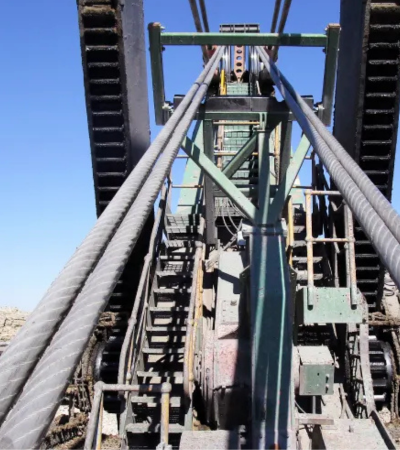
Steel wire rope applications
- cranes
- hoists
- elevators
- mining systems
- lifting equipment
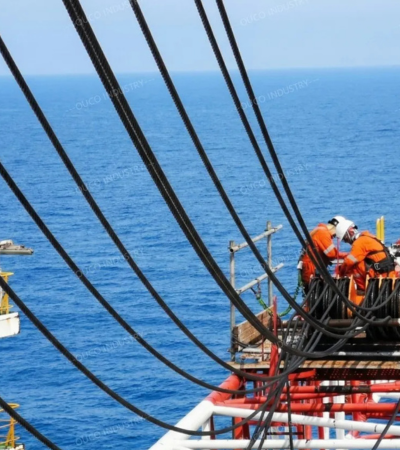
- offshore lifting
Stainless cable applications
- cable railings
- suspension systems
- architectural structures
- marine hardware
- safety barriers
One handles heavy loads.
The other often handles environmental exposure and appearance requirements.
Cost Comparison
Initial price varies considerably.
Steel wire rope:
✓ lower purchase cost
✓ economical for industrial use
Stainless cable:
✓ higher material cost
✓ lower corrosion maintenance costs
Long-term operating conditions influence actual value.
In marine environments, stainless products may reduce replacement frequency.
Steel Wire Rope vs Stainless Steel Cable Comparison
| Feature | Steel Wire Rope | Stainless Steel Cable |
|---|---|---|
| Primary purpose | Lifting | Tension / corrosion resistance |
| Material | Carbon or alloy steel | Stainless steel |
| Strength | Daha yüksek | Moderate |
| Corrosion resistance | Moderate | Excellent |
| Appearance | Industrial | Decorative |
| Wear resistance | Excellent | Moderate |
| Typical industries | Cranes, mining | Marine, architecture |
| Initial cost | Lower | Daha yüksek |
Which One Should You Choose?
Choose steel wire rope if:
- heavy lifting is required
- maximum strength matters
- abrasion resistance is important
- industrial equipment is involved
Choose paslanmaz çelik kablo if:
- corrosion exposure is severe
- marine environments are present
- appearance matters
- decorative or architectural use is required
The decision should match actual working conditions.
Final Thoughts
Although people often use the terms interchangeably, steel wire rope and stainless steel cable are designed for different priorities.
Steel wire rope focuses on:
✓ strength
✓ load handling
✓ fatigue performance
Stainless steel cable focuses on:
✓ corrosion resistance
✓ environmental durability
✓ aesthetics
Selecting the right product improves safety, reduces maintenance, and extends service life.
Understanding the differences helps buyers avoid costly mistakes and choose the most effective solution.