1. Introduction
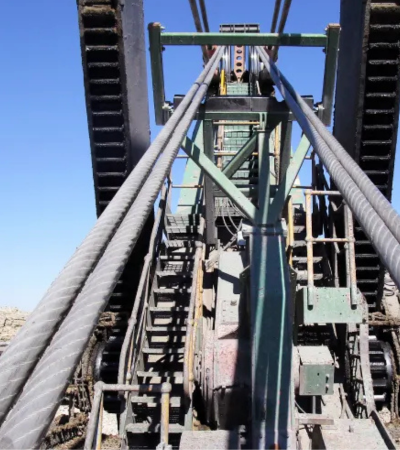
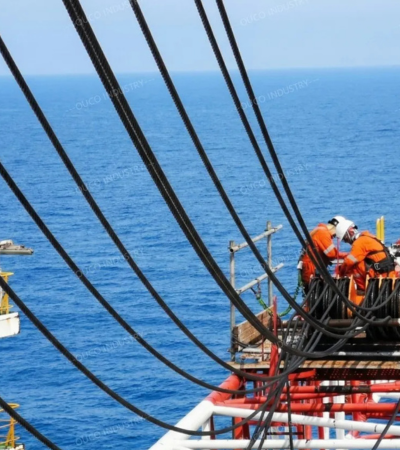
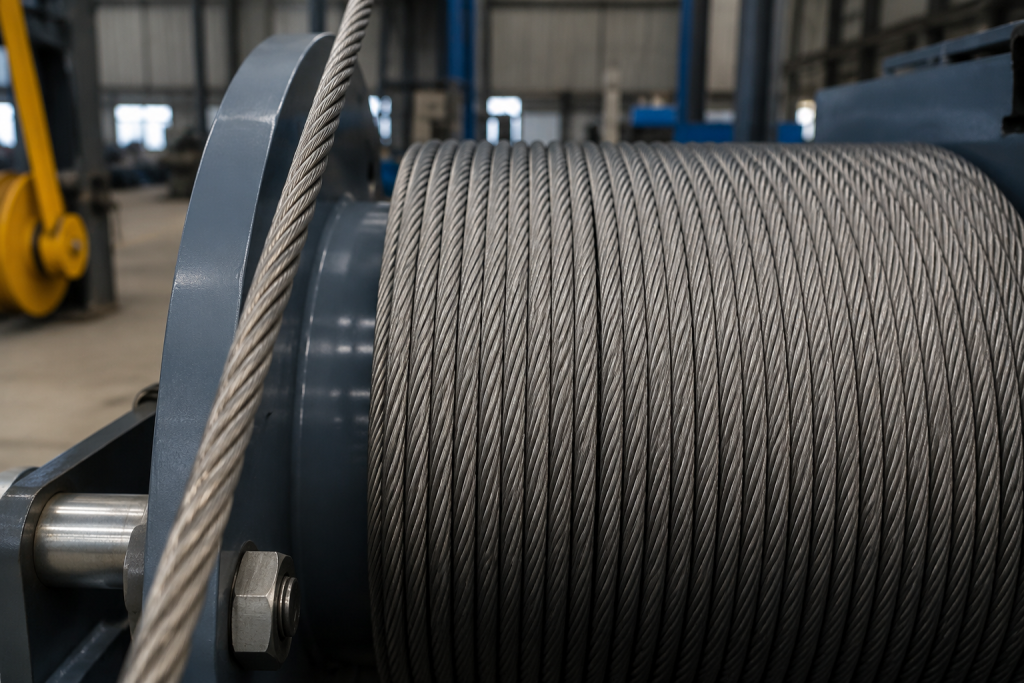
Wire ropes are critical components in a wide range of industrial applications, including lifting, hoisting, mining, and material handling systems. Their failure can lead to serious safety risks, costly downtime, and equipment damage.
Therefore, identifying early signs of wire rope degradation is essential for ensuring operational safety and extending service life. This article provides a systematic overview of the key indicators of wire rope failure and the engineering principles behind them.
2. Common Causes of Wire Rope Failure
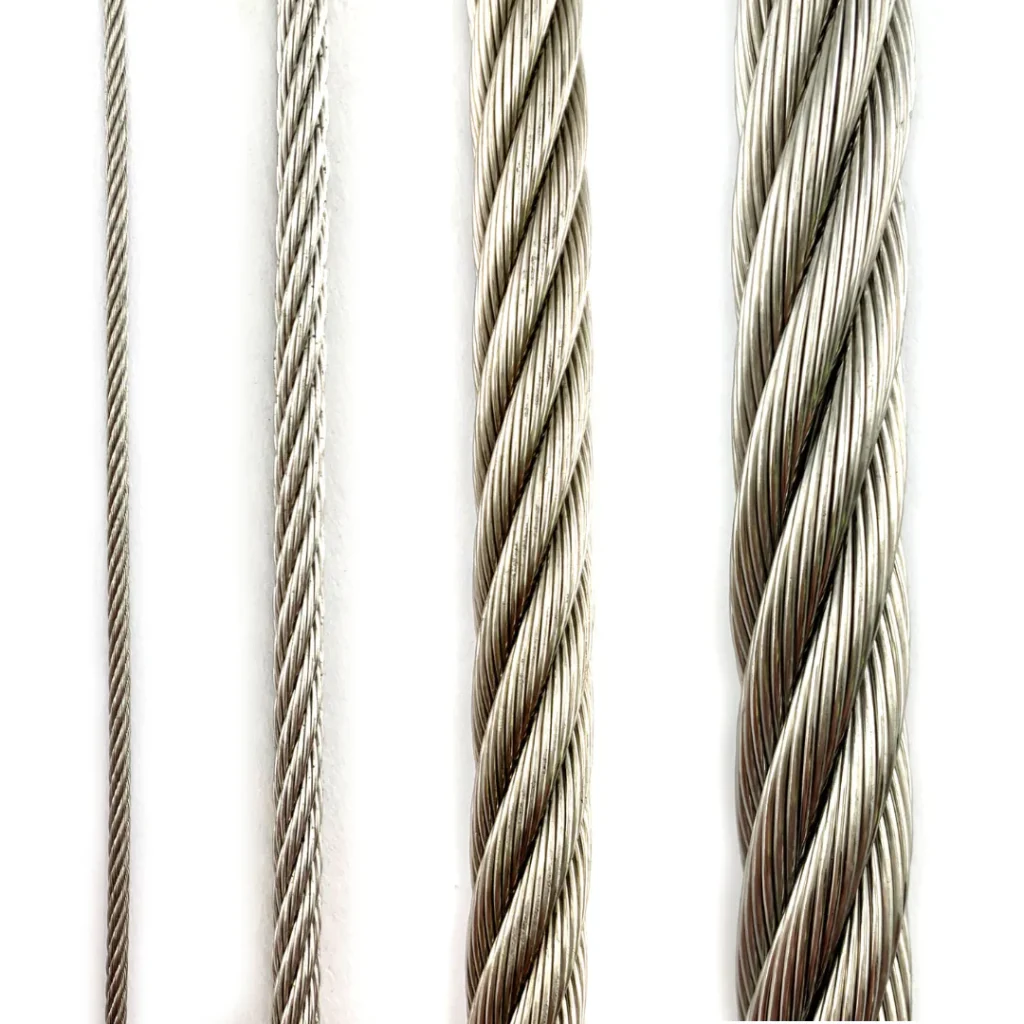
Before identifying early signs, it is important to understand the primary causes of failure:
- Mechanical fatigue: Repeated bending over sheaves and drums
- Corrosion: Environmental exposure leading to material degradation
- Abrasion and wear: Surface damage due to friction
- Overloading: Exceeding the working load limit
- Improper maintenance: Lack of lubrication or inspection
These factors often act simultaneously, accelerating deterioration.
3. Visual Indicators of Early Failure
3.1 Broken Wires
One of the most obvious early signs is the presence of broken wires on the rope surface. Even a small number of wire breaks can indicate internal stress concentration and fatigue.
Engineering insight:
Broken wires reduce load distribution efficiency, increasing stress on remaining wires.
3.2 Surface Wear and Abrasion
Flattened or worn outer wires indicate excessive friction, often caused by misalignment or abrasive environments.
Key observation:
- Shiny, polished surfaces → friction wear
- Grooved or rough surfaces → abrasive particles
3.3 Corrosion and Rust Formation
Rust is a clear indicator of environmental degradation. In industrial environments, corrosion may occur externally and internally.
Critical risk:
Internal corrosion is often not visible but significantly weakens the rope structure.
3.4 Deformation and Structural Damage
Common deformation types include:
- Kinks: Permanent bends due to improper handling
- Birdcaging: Strands separate and bulge outward
- Crushing: Flattened sections due to excessive pressure
These defects indicate severe structural instability.
4. Mechanical Performance Indicators
4.1 Diameter Reduction
A measurable decrease in rope diameter is a strong indicator of internal wear or core failure.
Typical causes:
- Internal wire breakage
- Core deterioration
- Continuous abrasion
4.2 Loss of Flexibility
A stiff wire rope may indicate:
- Inadequate lubrication
- Internal corrosion
- Fatigue damage
Reduced flexibility increases the likelihood of sudden failure.
4.3 Uneven Load Distribution
Irregular tension or uneven wear patterns suggest improper installation or loading conditions, which can accelerate localized failure.
5. Advanced Inspection Techniques
While visual inspection is essential, advanced methods provide deeper insights:
5.1 Magnetic Rope Testing (MRT)
Detects internal wire breaks and corrosion not visible externally.
5.2 Non-Destructive Testing (NDT)
Includes electromagnetic and ultrasonic techniques for structural evaluation.
5.3 Digital Monitoring Systems
Modern systems can track load cycles and predict fatigue life using sensors and data analytics.
6. Preventive Maintenance Strategies
Early detection must be combined with effective maintenance:
- Regular inspection schedules
- Proper lubrication programs
- Correct installation and handling procedures
- Timely replacement based on standards
Preventive maintenance significantly reduces the risk of unexpected failure.
7. Engineering Guidelines for Replacement
Wire ropes should be replaced when:
- The number of broken wires exceeds safety standards
- Diameter reduction reaches critical limits
- Severe corrosion or deformation is observed
- Performance degradation affects operational safety
International standards (such as ISO and industry-specific guidelines) should be followed for replacement decisions.
8. Conclusion
Early identification of wire rope failure signs is essential for maintaining safety and operational efficiency in industrial environments. By understanding visual indicators, mechanical changes, and advanced inspection methods, operators can take proactive measures to prevent catastrophic failures.
Combining proper material selection, regular monitoring, and maintenance strategies ensures the long-term reliability of wire rope systems.