1. Introduction
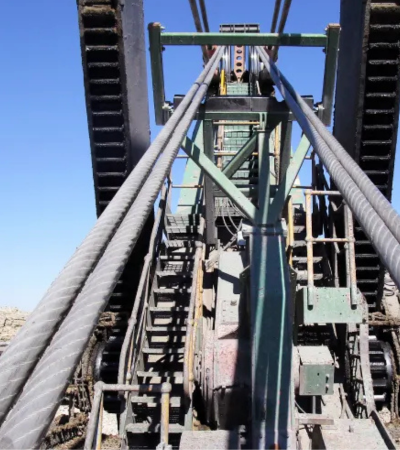
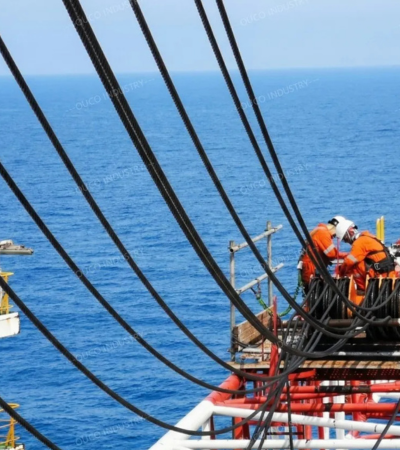
Wire ropes are widely used in marine and offshore industries for lifting, mooring, towing, and structural support. However, compared with standard industrial environments, marine conditions present significantly harsher challenges that directly affect wire rope performance, safety, and service life.
Understanding how marine environments influence wire rope behavior is essential for proper material selection, structural design, and maintenance planning.
2. Key Characteristics of Marine Environments
Marine environments are uniquely aggressive due to a combination of physical and chemical factors:
- Saltwater exposure: High salinity accelerates corrosion
- Humidity and moisture: Constant wet conditions promote oxidation
- Temperature fluctuations: Variations between surface and submerged conditions
- Wave and dynamic loads: Continuous movement increases fatigue stress
- Biological factors: Marine organisms may attach to rope surfaces
These factors act simultaneously, making marine applications one of the most demanding use cases for wire ropes.
3. Corrosion Mechanisms in Marine Conditions
3.1 Electrochemical Corrosion
Saltwater acts as an electrolyte, accelerating electrochemical reactions between iron and oxygen. This leads to rapid rust formation, reducing the effective cross-sectional area of the wire rope.
3.2 Crevice and Pitting Corrosion
Moisture trapped between strands and wires creates localized corrosion zones, which are particularly dangerous because they are often invisible during visual inspection.
4. Impact on Wire Rope Performance
4.1 Reduction in Strength
Corrosion gradually reduces the metallic cross-section, leading to a significant loss in tensile strength and load-bearing capacity.
4.2 Accelerated Fatigue Failure
Marine applications often involve cyclic loading due to waves and equipment motion. Corrosion combined with cyclic stress leads to corrosion fatigue, which dramatically shortens service life.
4.3 Increased Wear and Abrasion
Sand, salt crystals, and debris can increase surface wear, especially in mooring and lifting systems.
5. Material Selection for Marine Applications
Choosing the right material is critical for ensuring long-term performance.
5.1 Galvanized Steel Wire Rope
Galvanization provides a protective zinc layer that delays corrosion. It is cost-effective and widely used in general marine applications.
5.2 Stainless Steel Wire Rope (316 Grade)
316 stainless steel offers excellent resistance to chloride-induced corrosion, making it ideal for highly corrosive seawater environments. It is commonly used in:
- Offshore platforms
- Marine engineering
- Coastal infrastructure
6. Structural Design Considerations
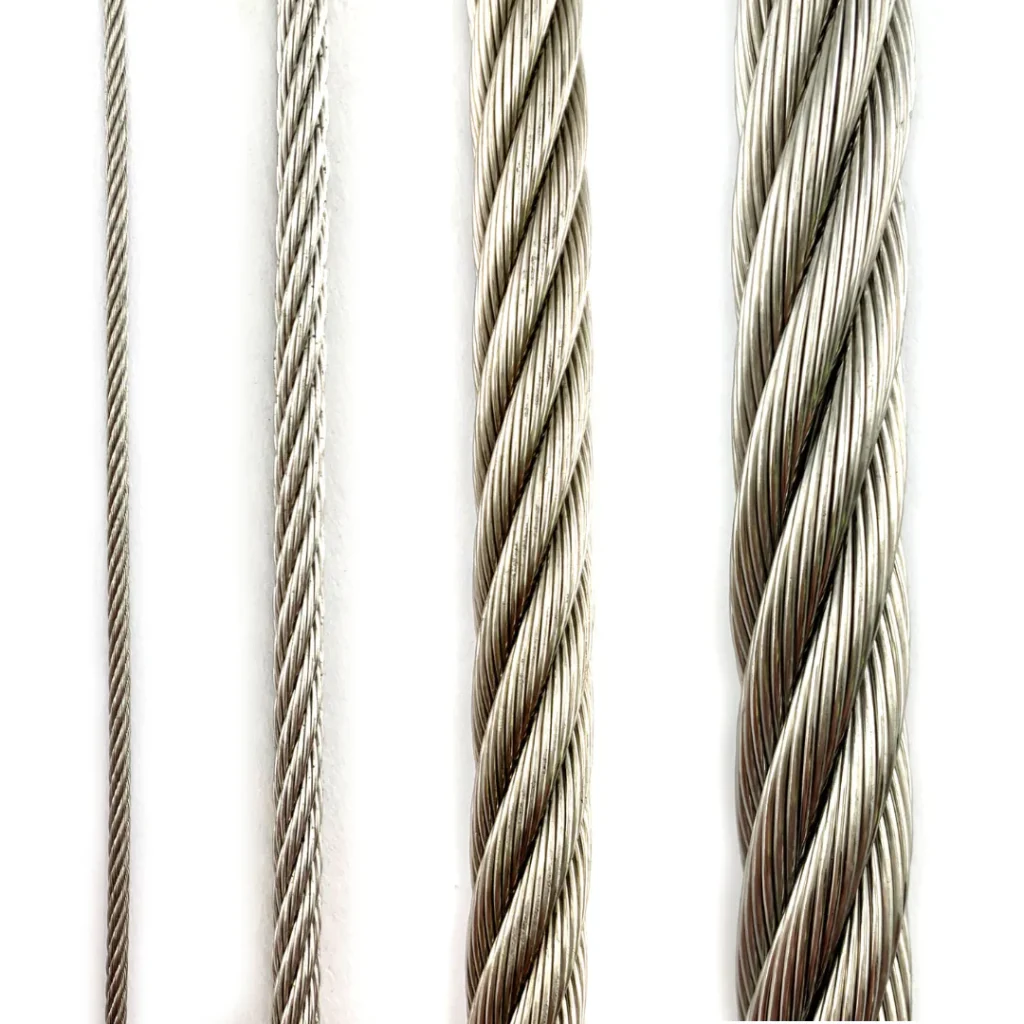
6.1 Rope Construction
- Compacted strands: Improve wear resistance and reduce internal voids
- Rotation-resistant ropes: Suitable for offshore lifting operations
6.2 Core Selection
- IWRC (Independent Wire Rope Core): Provides higher strength and better resistance to crushing and deformation
- Preferred for heavy-duty marine applications
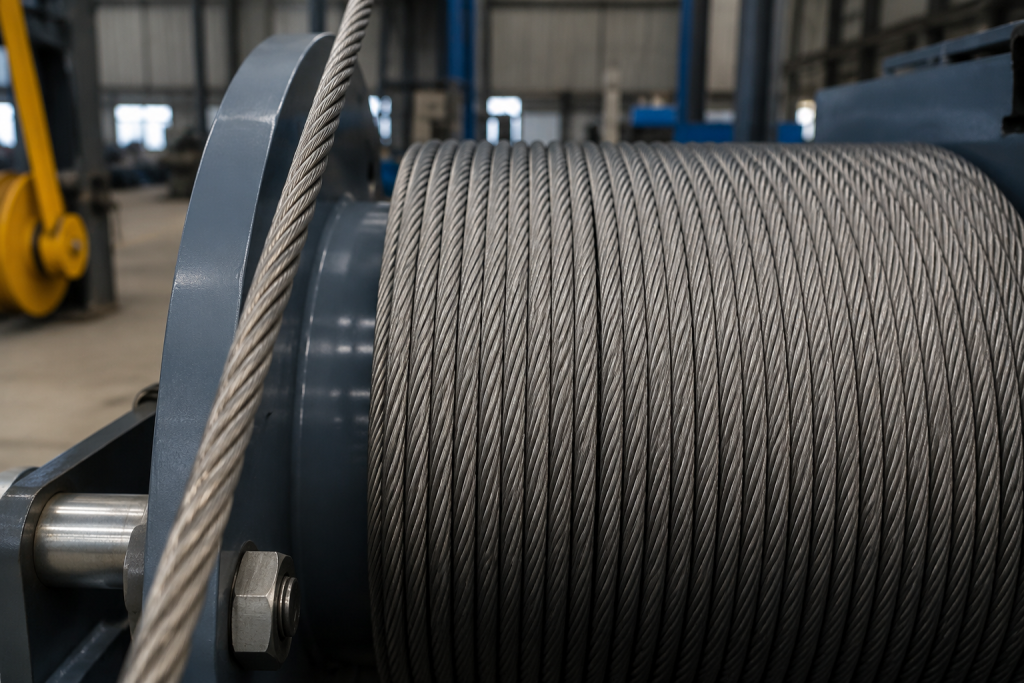
7. Surface Protection and Lubrication
7.1 Protective Coatings
Additional coatings such as plastic (PVC/PE) can provide an extra barrier against seawater and contaminants.
7.2 Advanced Lubrication
Marine-grade lubricants are designed to:
- Resist water washout
- Protect internal wires from corrosion
- Reduce friction and wear
Proper lubrication is essential to extend service life in marine conditions.
8. Maintenance and Inspection in Marine Use
Due to the high-risk environment, maintenance must be more rigorous:
- Frequent inspections for corrosion and broken wires
- Internal inspection techniques such as magnetic testing
- Regular cleaning and relubrication
- Replacement planning based on environmental severity
Preventive maintenance is crucial to avoid unexpected failures.
9. Engineering Strategies for Improved Performance
To optimize wire rope performance in marine environments:
- Select corrosion-resistant materials (316 stainless or galvanized steel)
- Use compacted and sealed constructions
- Apply high-performance coatings and lubricants
- Implement strict inspection and maintenance schedules
Customized solutions tailored to specific marine conditions can significantly improve safety and durability.
10. Conclusion
Marine environments pose severe challenges to wire rope performance due to corrosion, fatigue, and dynamic loading. Proper material selection, structural design, and maintenance strategies are essential to ensure reliability and long service life.
As offshore and marine industries continue to expand, the demand for high-performance, corrosion-resistant wire rope solutions will continue to grow, making engineering optimization more important than ever.