Choosing the right wire rope is not only about strength or diameter. Environmental conditions, corrosion resistance, maintenance requirements, and long-term cost all play important roles.
One of the most common questions buyers ask is:
Should I choose galvanized wire rope or stainless steel wire rope?
At first glance, they may appear similar because both are designed to resist corrosion better than ordinary carbon steel rope. However, their materials, performance, and ideal applications differ significantly.
This guide compares galvanized and stainless wire rope to help you select the best option for your application.
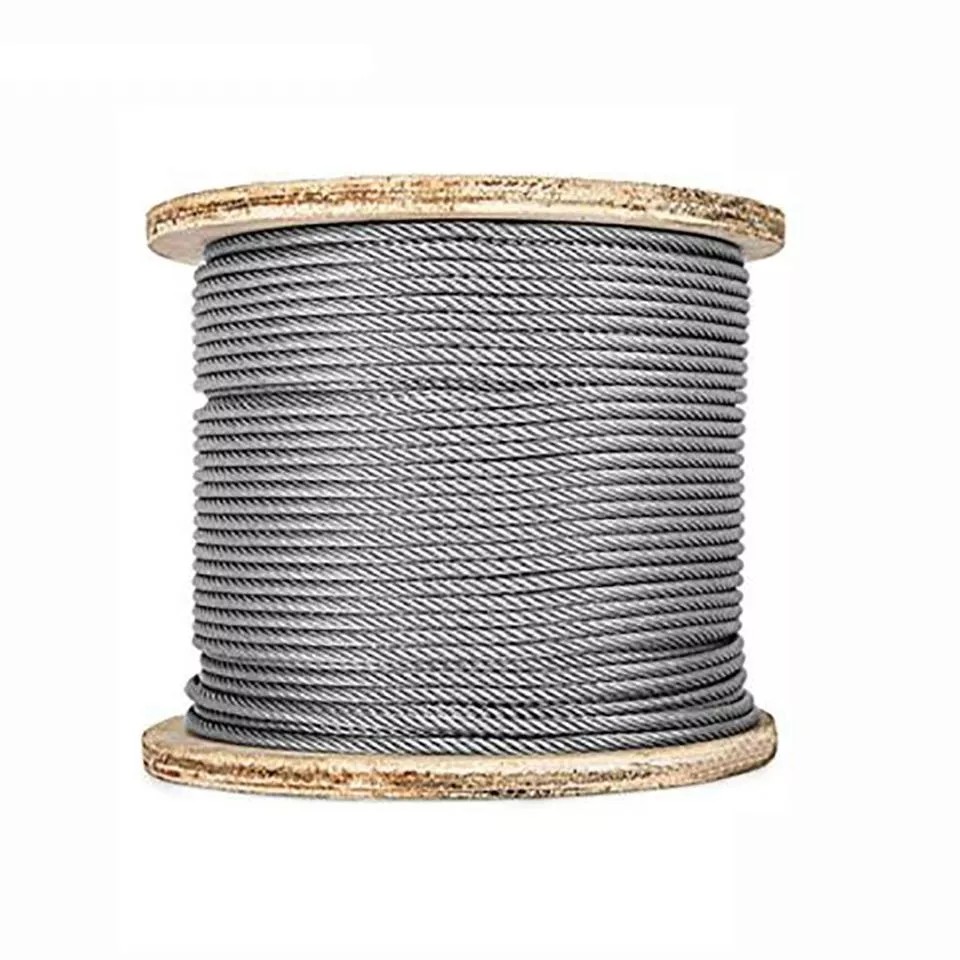
Galvanized wire rope is made from carbon steel wire coated with a layer of zinc.
The zinc coating acts as a protective barrier that helps prevent rust and corrosion.
There are generally two common galvanizing methods:
Electro-galvanized
Features:
- thinner zinc coating
- smoother surface finish
- lower corrosion resistance
- lower cost
Hot-dip galvanized
Features:
- thicker zinc layer
- stronger corrosion protection
- better outdoor durability
The zinc coating gradually sacrifices itself to protect the steel underneath.
This process is known as sacrificial protection.
What Is Stainless Steel Wire Rope?
Stainless steel wire rope is made from stainless alloys containing chromium and other corrosion-resistant elements.
Instead of using a surface coating, stainless steel naturally forms a protective oxide layer that resists corrosion.
Common grades include:
304 stainless steel
Features:
- good corrosion resistance
- suitable for general environments
- lower cost than 316
316 stainless steel
Features:
- enhanced resistance to chlorides and saltwater
- preferred for marine applications
- better performance in harsh environments
Unlike galvanized products, stainless steel protection exists throughout the material.
Even if scratched, corrosion resistance remains.
Appearance Comparison
Although performance matters most, appearance can influence selection.
Galvanized wire rope:
- matte gray appearance
- industrial look
- coating texture visible
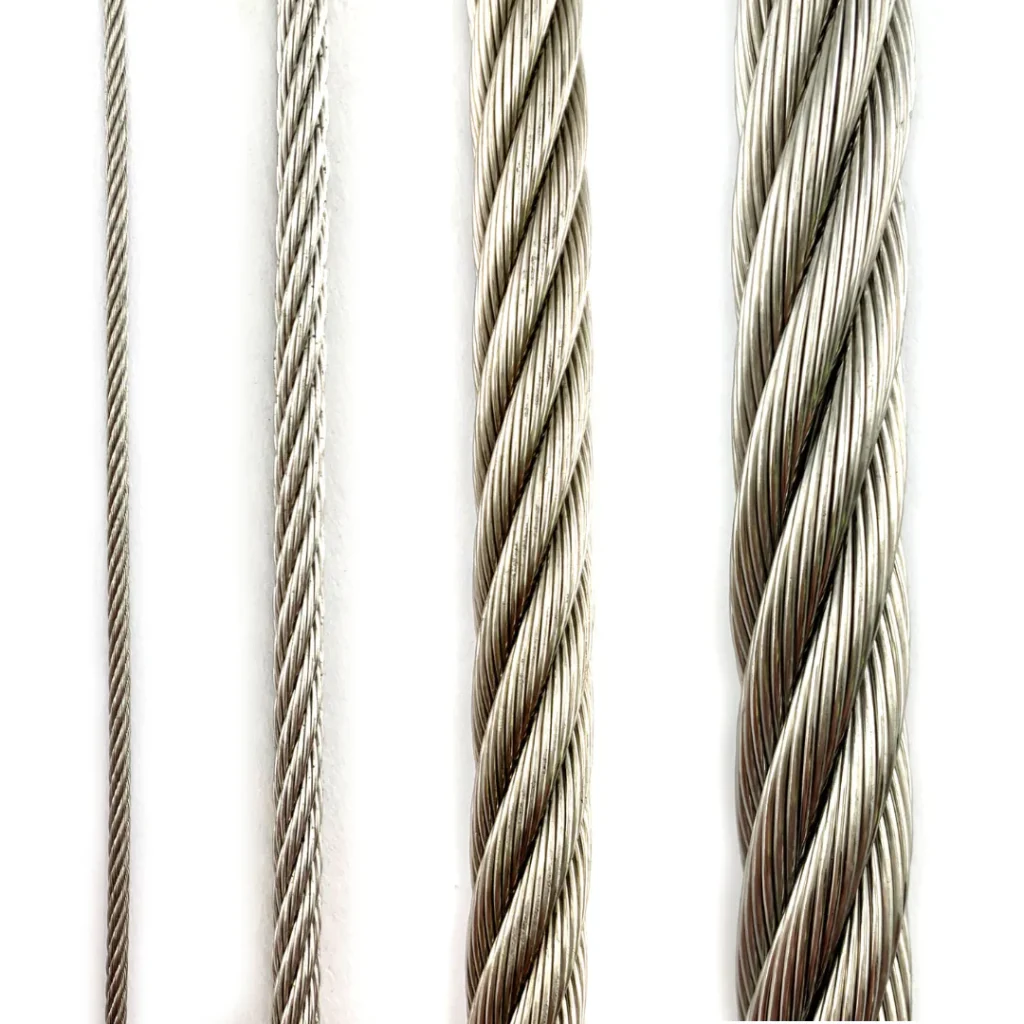
Stainless steel wire rope:
- brighter finish
- cleaner appearance
- decorative applications possible
Stainless steel is frequently selected where aesthetics matter.
Examples include:
- architectural cable systems
- railing systems
- decorative installations
Corrosion Resistance Comparison
This is often the deciding factor.
Indoor environments
Galvanized rope generally performs well.
Examples:
- warehouses
- construction sites
- lifting equipment
- industrial machinery
Outdoor environments
Hot-dip galvanized rope performs effectively under moderate exposure.
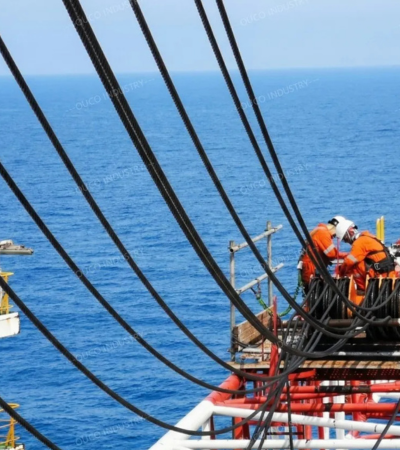
Marine or chemical environments
Stainless steel, especially 316 stainless, usually performs better.
Saltwater environments accelerate zinc coating deterioration.
Applications include:
- ships
- offshore platforms
- coastal installations
- marine lifting systems
Strength Comparison
Many buyers assume stainless steel is stronger.
This is not always true.
Galvanized high-carbon steel ropes often provide:
- higher tensile strength
- improved wear resistance
- greater lifting capacity in some applications
Stainless steel ropes prioritize corrosion resistance rather than maximum strength.
Actual performance depends on rope construction and material grade.
Flexibility and Fatigue Performance
Performance varies according to rope construction:
- 6×19
- 6×36
- 8×19
- IWRC
- Fiber Core
Material alone does not determine flexibility.
However, galvanized ropes used in heavy industrial applications are often designed for lifting and wear resistance.
Stainless ropes are frequently optimized for corrosion protection and appearance.
Cost Comparison
Price differences can be significant.
General comparison:
Galvanized wire rope:
✓ lower initial cost
✓ economical for large projects
Stainless wire rope:
✓ higher purchase price
✓ lower maintenance in corrosive environments
Initial cost does not always equal total cost.
In severe environments, replacing galvanized rope repeatedly can become more expensive than using stainless steel from the beginning.
Galvanized vs Stainless Wire Rope Comparison
| Feature | Verzinkt | Stainless Steel |
|---|---|---|
| Corrosion resistance | Good | Excellent |
| Marine resistance | Moderate | Excellent |
| Strength | Often higher | Moderate |
| Appearance | Industrial | Heller Finish |
| Maintenance | Moderate | Lower |
| Initial cost | Lower | Höher |
| Decorative use | Limited | Excellent |
Which One Should You Choose?
Choose verzinkten Drahtseilen if:
- cost is a priority
- applications involve heavy lifting
- exposure conditions are moderate
- industrial use is the primary goal
Choose rostfreies Stahldrahtseil if:
- marine environments are involved
- appearance matters
- corrosion risk is severe
- long-term durability is critical
There is no universal winner.
The best option depends on operating conditions.
Final Thoughts
When comparing galvanized and stainless wire rope, the decision should not focus only on price.
Consider:
✓ environment
✓ corrosion exposure
✓ maintenance requirements
✓ expected service life
✓ appearance needs
✓ long-term cost
Galvanized rope remains an excellent solution for industrial lifting and general applications.
Stainless steel rope excels where corrosion resistance and durability are essential.
Selecting the correct material can improve performance, reduce maintenance, and extend rope lifespan.