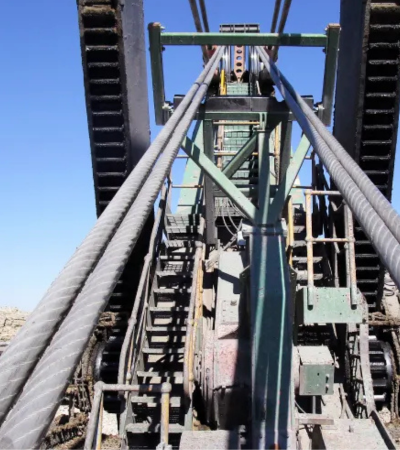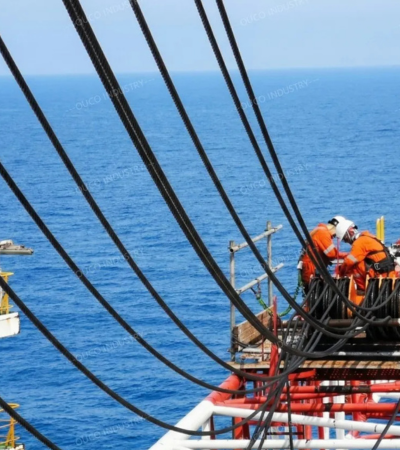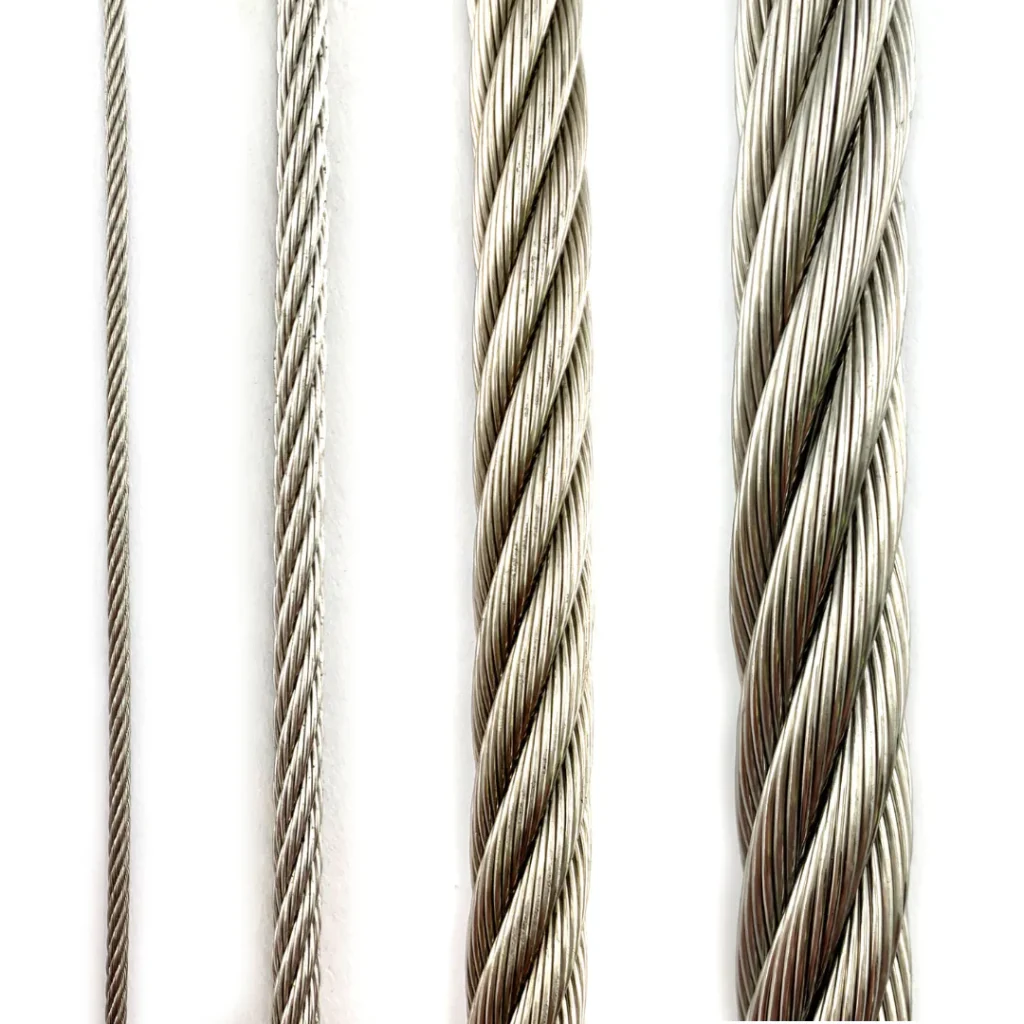
Choosing the correct wire rope for a crane is far more important than many people realize. A crane rope does much more than simply lift a load—it continuously bends over sheaves, wraps around drums, experiences shock loading, and operates under changing environmental conditions.
Selecting the wrong rope can result in:
- premature wear
- reduced lifting efficiency
- frequent maintenance
- unexpected downtime
- safety risks
So how do engineers determine the best wire rope for crane applications?
The answer is not based on a single factor such as strength or diameter. It requires balancing construction, flexibility, fatigue resistance, environmental conditions, and operating requirements.
This guide explains the key factors to consider when selecting crane wire rope.
Why Crane Applications Place Unique Demands on Wire Rope
Crane systems create multiple stresses simultaneously.
A wire rope on a crane may experience:
- heavy loads
- repeated bending cycles
- drum compression
- shock loading
- twisting forces
- outdoor exposure
Unlike static structural cables, crane ropes are dynamic components.
Over time, these repeated stresses can create:
- fatigue cracks
- wire breaks
- strand distortion
- internal wear
The correct rope design helps minimize these problems.
Step 1: Determine the Load Requirements
The first step is understanding actual lifting conditions.
Questions to consider:
- What is the maximum load?
- Is the load constant or variable?
- How often does lifting occur?
- Are shock loads expected?
- What safety factor is required?
Do not select rope based only on average load.
Dynamic forces during:
- starting
- stopping
- acceleration
- sudden impacts
can create much higher stresses than static weight alone.
Always include an appropriate safety margin.
Step 2: Select the Appropriate Rope Construction
Wire rope construction strongly affects flexibility and wear performance.
Common crane constructions include:
6×19
Characteristics:
- larger outer wires
- strong abrasion resistance
- moderate flexibility
Suitable for:
- general lifting
- harsh environments
6×36
Characteristics:
- more individual wires
- improved flexibility
- better bending fatigue resistance
Suitable for:
- cranes with repeated bending cycles
- sheave systems
8×36
Characteristics:
- higher flexibility
- smoother bending behavior
- longer fatigue life
Suitable for complex crane systems.
The ideal construction depends on operating conditions.
Step 3: Consider Core Type
Wire rope cores significantly affect performance.
Two common options:
แกนใย (FC)
Advantages:
- greater flexibility
- shock absorption
- lighter weight
Limitations:
- lower crushing resistance
แกนเชือกลวดอิสระ (IWRC)
Advantages:
- higher strength
- better structural support
- improved crushing resistance
- superior heavy-duty performance
Most heavy crane systems commonly use IWRC construction.
Especially:
- tower cranes
- port cranes
- mining cranes
- steel mill systems
Step 4: Evaluate Bending Fatigue Conditions
Repeated bending is one of the leading causes of crane rope failure.
Every time rope passes over:
- sheaves
- pulleys
- drums
individual wires experience stress cycles.
Applications with high bending frequency should prioritize:
- flexible constructions
- increased wire count
- proper sheave sizing
Fatigue resistance often determines rope life more than tensile strength.
Step 5: Check Sheave and Drum Diameter
One frequently overlooked factor is the D/d ratio.
Where:
- D = sheave diameter
- d = rope diameter
Larger D/d ratios reduce bending stress.
Small sheaves force sharper bending and accelerate fatigue.
Improper geometry often causes:
- broken wires
- shortened service life
- premature replacement
Even high-quality ropes can fail if sheave design is poor.
Step 6: Evaluate Environmental Conditions
Environmental exposure affects rope selection significantly.
Outdoor construction sites
Often use:
- เชือกเหล็กชุบสังกะสี
Marine environments
Often require:
- เชือกเหล็กสแตนเลส
- corrosion-resistant coatings
High-temperature operations
Often benefit from:
- IWRC constructions
- specialized lubrication systems
Environmental conditions can dramatically affect lifespan.
Step 7: Consider Rotation Characteristics
Tall crane systems may experience load spinning.
For these applications:
- rotation-resistant rope
- compacted strand designs
can improve stability.
Examples:
- tower cranes
- container handling cranes
- high-rise lifting systems
Selecting improper rope can create operational difficulties.
Common Crane Rope Selection Mistakes
Many wire rope failures originate during specification.
Typical mistakes include:
- choosing based only on breaking strength
- ignoring bending fatigue
- overlooking sheave geometry
- selecting incorrect rope diameter
- ignoring environmental exposure
- prioritizing price over application requirements
The cheapest rope often becomes the most expensive rope over time.
Quick Crane Wire Rope Selection Guide
| Application | Recommended Construction |
|---|---|
| General crane lifting | 6×19 IWRC |
| Repeated bending systems | 6×36 IWRC |
| High flexibility requirements | 8×36 IWRC |
| Marine crane operations | Stainless or galvanized rope |
| Heavy-duty applications | IWRC construction |
Final Thoughts
Selecting the best wire rope for crane applications involves more than choosing a diameter or strength rating.
Engineers should evaluate:
✓ load conditions
✓ rope construction
✓ core type
✓ fatigue resistance
✓ D/d ratio
✓ environmental exposure
The best crane rope is not simply the strongest rope.
It is the rope engineered for the actual operating system.
Proper selection improves safety, reduces downtime, and extends service life.