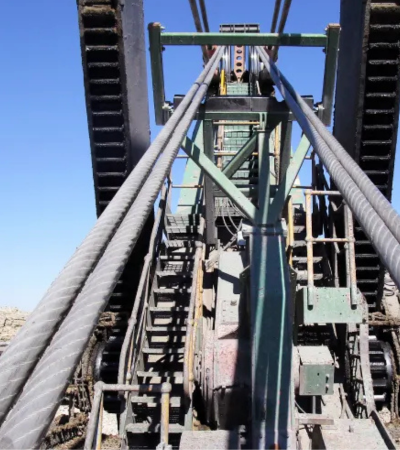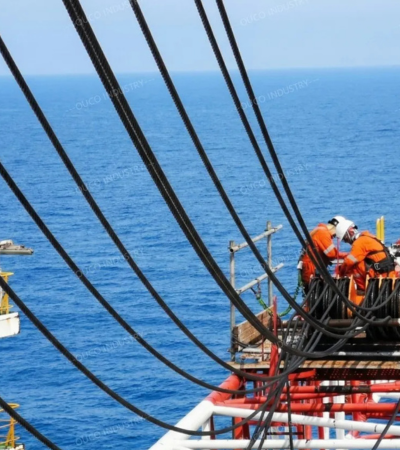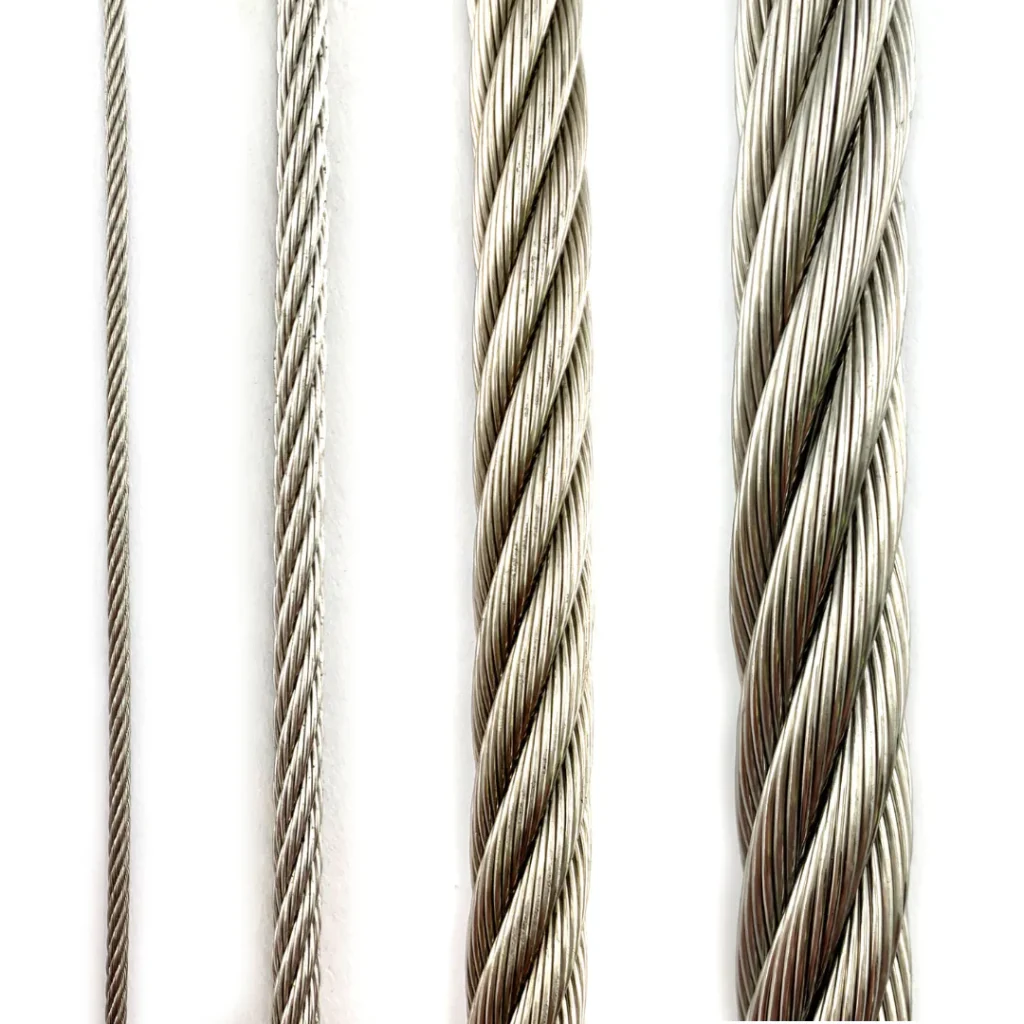
Steel mills are among the harshest environments for lifting equipment. Cranes operating inside steel production facilities handle extremely heavy loads while facing intense heat, dust, shock loading, and continuous operating cycles.
Under these conditions, ordinary wire rope often fails prematurely.
Selecting the right steel mill crane rope is critical not only for operational efficiency but also for equipment safety and maintenance cost control.
This guide explains the key requirements of steel mill crane ropes and provides practical selection tips for demanding industrial applications.
Why Steel Mill Cranes Require Specialized Wire Rope
Unlike standard construction cranes or warehouse lifting systems, steel mill cranes operate under multiple severe conditions simultaneously.
Typical challenges include:
- high temperatures
- heavy load handling
- continuous operation
- repeated bending cycles
- abrasive particles
- dust and scale contamination
- shock loading
Steel mill ropes often work around:
- molten metal handling
- ladle cranes
- slab transport systems
- coil handling equipment
- charging cranes
These environments create stresses far beyond ordinary lifting applications.
Key Performance Requirements for Steel Mill Crane Rope
Not all wire ropes can survive steel plant conditions.
The rope must balance several important characteristics.
1. High Temperature Resistance
Steel mills frequently expose ropes to elevated temperatures.
Nearby equipment may generate:
- radiant heat
- hot metal exposure
- furnace temperatures
- heated air circulation
Fiber-core ropes may lose performance under heat.
For this reason, many steel mill applications prefer:
IWRC (Independent Wire Rope Core)
Advantages include:
- improved structural stability
- better heat resistance
- reduced deformation risk
Steel cores typically tolerate elevated temperatures better than fiber materials.
2. Excellent Fatigue Resistance
Steel mill cranes operate continuously.
Ropes repeatedly bend over:
- sheaves
- drums
- pulleys
Every bending cycle creates internal stress.
Over time:
stress cycles → wire fatigue → wire breaks → rope failure
For high-cycle applications, flexible constructions become important.
Common choices include:
- 6×36 IWRC
- 8×36 IWRC
Higher wire counts generally improve bending performance.
3. Superior Crushing Resistance
Many steel mill cranes use multi-layer drum systems.
Heavy loads create compression forces between rope layers.
Poor support can lead to:
- rope flattening
- strand deformation
- internal damage
IWRC constructions provide stronger support and better shape retention.
This improves resistance to crushing.
4. Abrasion Resistance
Steel plants contain:
- metal debris
- scale particles
- rough surfaces
- contaminated environments
External wear can become severe.
Larger outer wires often improve abrasion performance.
Examples:
6×19 construction
Advantages:
- thicker outer wires
- strong wear resistance
However, flexibility may decrease slightly.
Selection requires balancing fatigue and wear performance.
5. Reliable Lubrication Performance
Internal lubrication reduces:
- friction between wires
- heat generation
- internal wear
- corrosion risk
In steel mill environments, lubricants may degrade faster because of temperature exposure.
Selecting ropes with effective lubrication systems becomes important.
Regular maintenance schedules also improve service life.
Recommended Rope Constructions for Steel Mill Cranes
Several constructions are commonly used:
6×19 IWRC
Features:
- excellent abrasion resistance
- high strength
- moderate flexibility
Suitable for:
- severe wear environments
6×36 IWRC
Features:
- improved flexibility
- better fatigue resistance
Suitable for:
- repeated bending systems
8×36 IWRC
Features:
- smoother bending
- excellent fatigue performance
Suitable for:
- high-cycle lifting systems
Actual selection depends on operating conditions.
Important Selection Factors
Before choosing a steel mill crane rope, engineers should evaluate:
Load characteristics
Consider:
- maximum load
- shock loading
- duty cycle
Sheave diameter
Small sheaves increase fatigue stress.
Evaluate D/d ratio carefully.
Environmental temperature
Heat exposure affects material selection.
Operating frequency
Continuous systems may require greater fatigue resistance.
Drum configuration
Multi-layer winding often favors IWRC construction.
Common Selection Mistakes
Many rope failures result from improper selection rather than poor quality.
Common errors include:
- selecting only by breaking strength
- ignoring temperature exposure
- underestimating fatigue cycles
- overlooking crushing resistance
- choosing incorrect construction
- insufficient lubrication planning
Early failures often begin during specification.
Quick Selection Guide
| Operating Condition | Recommended Rope Type |
|---|---|
| High-temperature environment | IWRC construction |
| Severe abrasion | 6×19 IWRC |
| Frequent bending | 6×36 IWRC |
| Continuous operation | 8×36 IWRC |
| Multi-layer drum systems | High crush-resistant IWRC |
Final Thoughts
Steel mill cranes place extraordinary demands on wire rope.
Successful rope selection requires balancing:
✓ temperature resistance
✓ fatigue life
✓ abrasion performance
✓ crushing resistance
✓ flexibility
✓ operating conditions
The strongest rope is not always the best rope.
The ideal steel mill crane rope is the one engineered specifically for the environment it serves.
Proper selection improves reliability, extends service life, and reduces maintenance costs in demanding steel production operations.