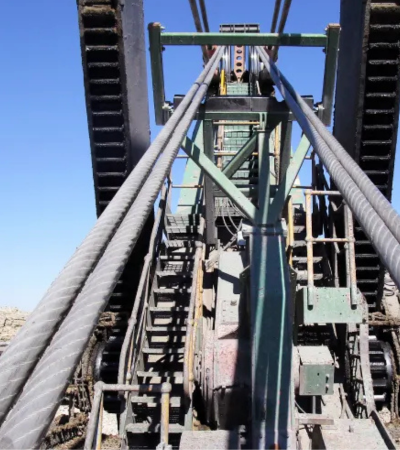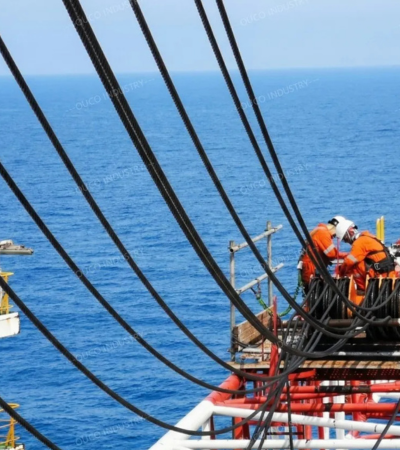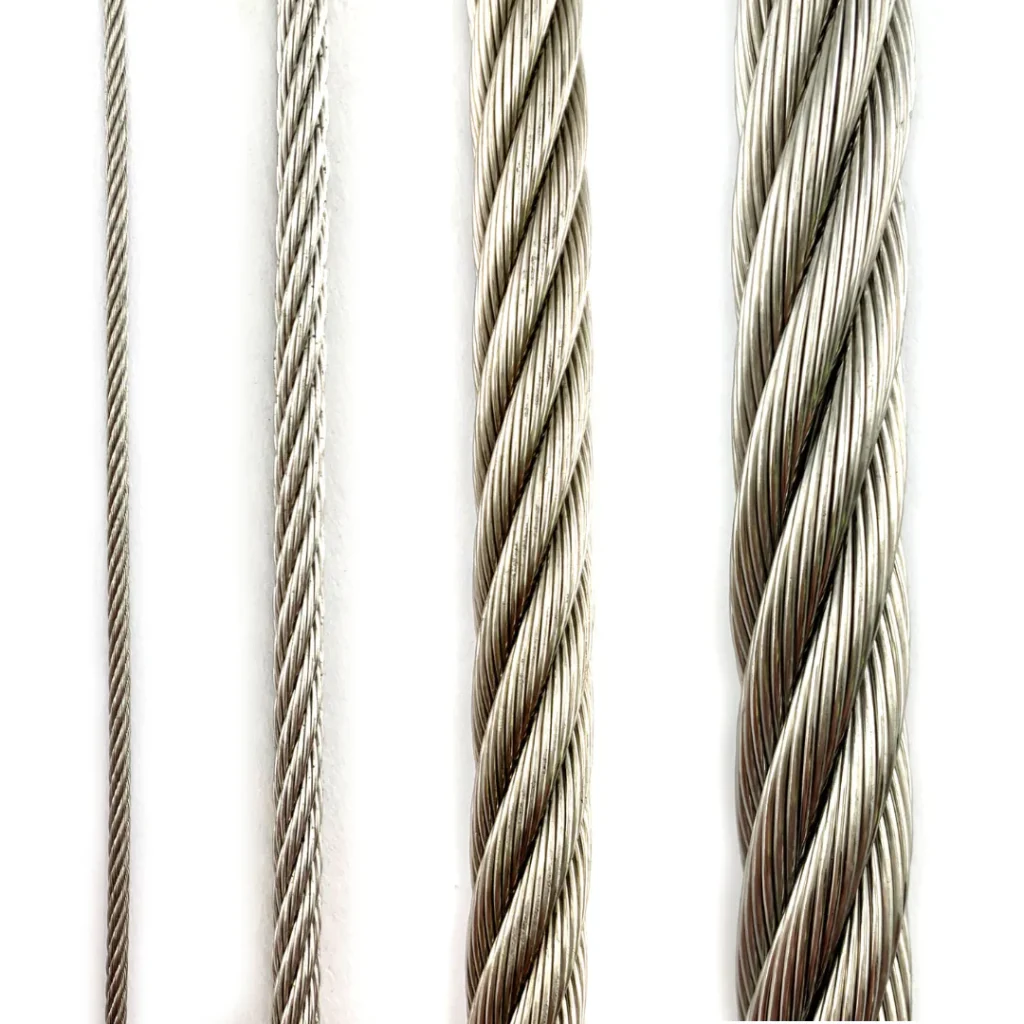
Modern ports move enormous volumes of cargo every day. Behind the smooth loading and unloading process are massive Ship-to-Shore (STS) cranes, some of the largest lifting systems in the world.
These cranes work continuously under demanding conditions:
- heavy containers
- high lifting heights
- repeated operating cycles
- saltwater exposure
- strong winds
- around-the-clock operation
Under these conditions, ordinary wire rope is often not enough.
Port equipment requires specialized wire rope engineered specifically for strength, fatigue resistance, and durability.
This article explains why Ship-to-Shore cranes need dedicated rope solutions and what factors matter during selection.
What Is a Ship-to-Shore Crane?
A Ship-to-Shore crane, often called an STS crane, is a large container-handling crane used at ports and terminals.
Its primary role is transferring containers between ships and land transportation systems.
Typical crane movements include:
- lifting containers vertically
- trolley travel
- boom movement
- positioning operations
Unlike standard lifting systems, STS cranes perform thousands of repetitive cycles while handling substantial loads.
This creates unique demands on wire rope performance.
Why Port Cranes Create Extreme Conditions
Ship-to-Shore cranes operate in one of the harshest environments for lifting equipment.
Multiple factors affect rope life simultaneously.
Constant Repeated Bending
Every operating cycle causes the rope to pass over:
- sheaves
- drums
- pulleys
Repeated bending creates internal wire stress.
Over time:
bending cycles → fatigue damage → wire breaks → rope failure
Fatigue often becomes a primary cause of replacement.
Heavy Dynamic Loads
Container handling rarely involves perfectly stable loading.
Additional forces include:
- acceleration
- deceleration
- container sway
- shock loading
- sudden movement changes
Actual rope stress can become much higher than static load values.
Saltwater Exposure
Ports expose equipment to:
- seawater spray
- humidity
- chloride contamination
- changing weather conditions
Salt accelerates corrosion dramatically.
Standard steel ropes may deteriorate quickly.
Wind and Environmental Factors
Large cranes operate outdoors and frequently experience:
- high wind loads
- temperature variation
- rain exposure
- airborne contaminants
Environmental effects increase wear over time.
Why Standard Wire Rope Often Fails Early
General-purpose ropes may provide adequate strength.
However, strength alone does not determine service life.
Premature failures often occur because of:
- poor fatigue resistance
- insufficient crushing resistance
- inadequate corrosion protection
- improper flexibility
- structural instability
Port cranes demand a balance of multiple performance characteristics.
Key Requirements for Ship-to-Shore Crane Rope
Specialized rope designs address these operating conditions.
1. High Fatigue Resistance
STS cranes perform thousands of bending cycles.
Rope constructions with greater flexibility often improve fatigue performance.
Common examples include:
- 6×36 IWRC
- 8×36 IWRC
Higher wire counts generally create smoother bending behavior.
2. Excellent Crushing Resistance
Many crane systems use multi-layer winding drums.
Compression develops where rope layers contact one another.
Insufficient support may cause:
- flattening
- strand movement
- internal damage
Independent Wire Rope Core (IWRC) constructions improve structural support.
Benefits include:
- stronger core stability
- reduced deformation
- improved shape retention
3. Corrosion Resistance
Marine environments create severe corrosion risk.
Common protective options include:
Galvanized rope
Provides:
- economical corrosion resistance
- outdoor durability
Stainless steel rope
Provides:
- stronger marine resistance
- superior chloride protection
Advanced lubrication systems
Reduce:
- internal corrosion
- friction
- moisture penetration
Protection strategies often combine multiple approaches.
4. Rotation Resistance
Ship-to-Shore cranes frequently involve long lifting distances.
Tall lifting systems can create:
- load spinning
- rope twisting
- operational instability
Rotation-resistant ropes help improve load control.
This can increase positioning accuracy and safety.
Common Rope Constructions for Port Cranes
Several constructions are commonly used:
6×36 IWRC
Features:
- flexibility
- fatigue resistance
- structural strength
8×36 IWRC
Features:
- improved bending performance
- smoother operation
Rotation-resistant constructions
Features:
- reduced torque effects
- better load stability
Selection depends on specific crane design.
Important Selection Factors
Engineers should evaluate:
Duty cycle
Continuous systems require greater fatigue performance.
Lifting height
Long lifting distances increase rotational effects.
Sheave geometry
D/d ratio strongly influences fatigue life.
Environmental exposure
Marine conditions affect corrosion requirements.
Maintenance capability
Inspection access and lubrication schedules matter.
Common Mistakes
Many premature rope failures result from incorrect specification.
Typical mistakes include:
- choosing based only on strength
- ignoring fatigue conditions
- underestimating corrosion exposure
- overlooking rotation effects
- using incorrect rope construction
The wrong rope may initially appear less expensive—but replacement costs can quickly exceed savings.
Final Thoughts
Ship-to-Shore cranes operate in one of the most demanding lifting environments in the world.
Successful rope selection requires balancing:
✓ fatigue resistance
✓ crushing resistance
✓ corrosion protection
✓ flexibility
✓ rotation stability
✓ environmental durability
The best STS rope is not simply the strongest rope.
It is the rope engineered specifically for port operating conditions.
Selecting specialized wire rope improves safety, extends service life, reduces downtime, and increases operational efficiency in modern port systems.